A practical overview of accommodation arrangements, dining, entertainment and facilities connected with a Melbourne casino visit.
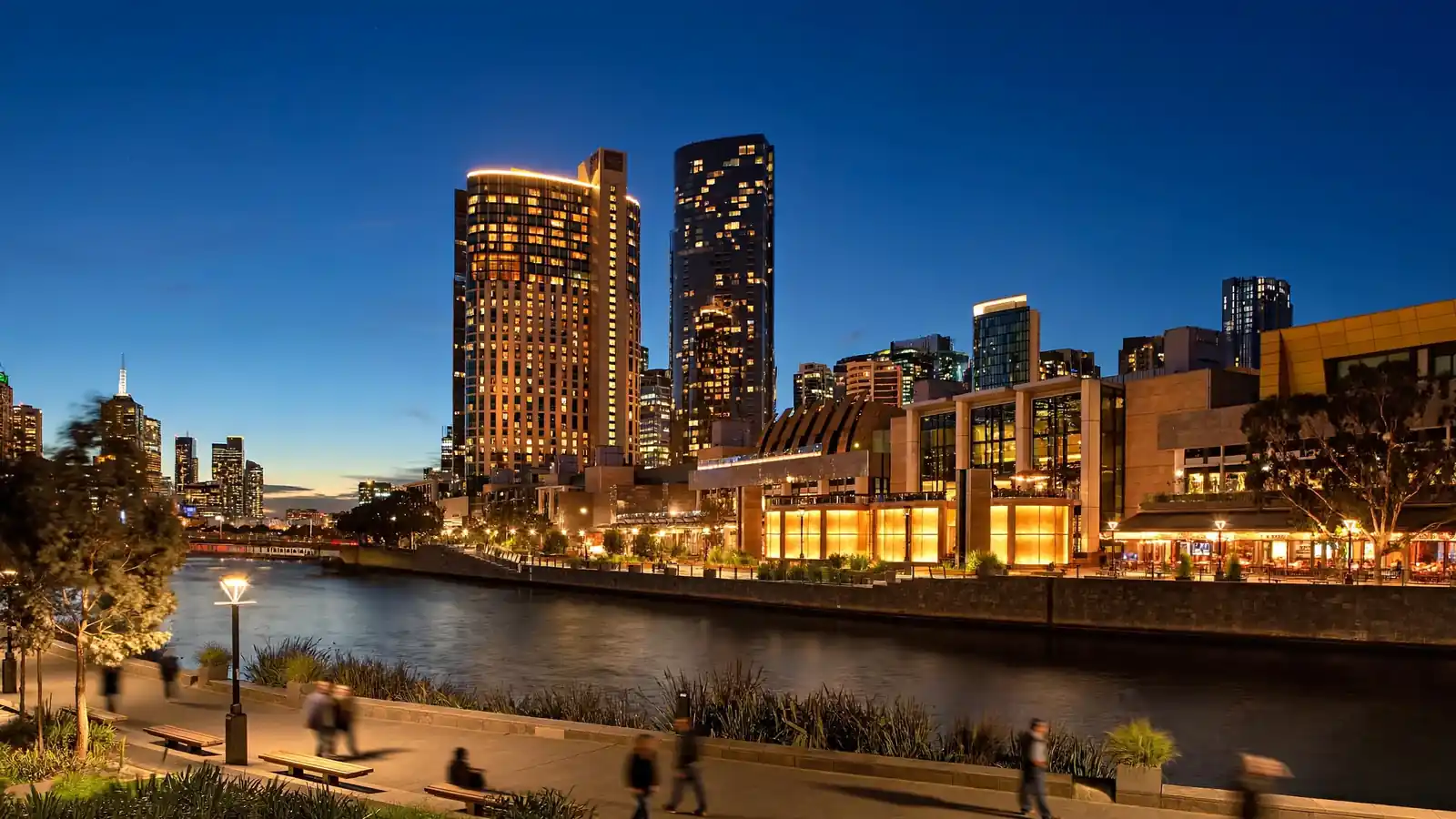
A hotel stay attached to a casino sounds like a single purchase: a room, a nearby gaming floor and perhaps a price that makes the two feel like one occasion. In practice, the phrase can describe several different arrangements. The hotel may be operated by the casino, linked to it through a package, or simply chosen because the visitor intends to spend time at the venue. Those distinctions matter more than the broad label.
A room advertised alongside a casino visit is not automatically a casino room, and a hotel deal is not necessarily a bundle. The reservation might cover accommodation alone, with other parts of the trip arranged separately. Before comparing prices, the useful question is what the quoted rate actually includes. A headline can suggest a joint experience while the booking conditions describe two ordinary services sitting beside one another.
That is not a criticism of the arrangement. It is a reminder that “deal” is a word with a wide jurisdiction. A lower room price may reflect dates, room type or restrictions rather than a special casino offer. Any package should be read as a set of terms: what is included, what must be booked separately, and what happens if plans change. The detail belongs to the reservation, not to the mood created by its name.
Choosing a casino for Melbourne means weighing the details that matter to you, such as licensing information or payment terms. Use these short verdicts as a reference point when considering the options.
Playfina Casino
Playfina Casino is associated with a Curacao eGaming licence held by Hollycorn N.V. since 2017. Its minimum deposit varies by offer, at A$20–30.
Kingmaker
Kingmaker lists crypto payouts at around 90 minutes and fiat payouts at 1–5 days. Its minimum deposit is A$30.
Ricky Casino
Ricky Casino lists crypto payouts in under an hour and PayID payouts in 1–3 business days. The minimum deposit is A$20, or A$30 to qualify for the bonus.
LevelUp Casino
LevelUp Casino lists a Curacao eGaming licence, OGL/2023/174/0082, held by Dama N.V. Its minimum deposit is A$15.
WinSpirit Casino
WinSpirit Casino lists a Curacao eGaming licence, OGL/2024/923/0383, held by Antillephone N.V. Its minimum deposit is A$30.
JustCasino
JustCasino is listed with a Curacao Gaming Control Board licence.
MrPacho
MrPacho lists crypto payouts at 30–120 minutes and fiat payouts at 24–72 hours. Its minimum deposit is A$30.
Bizzo Casino
Bizzo Casino is listed with a Curacao Gaming Control Board licence, with TechSolutions Group N.V. named as the operator.
7Bit Casino
7Bit Casino is listed as operating under a Curacao licence, with Dama N.V. as its operator.
Roby Casino
Roby Casino is associated with a Curacao eGaming licence held by Roby Games Ltd.
The same care applies to rooms. A search for Melbourne casino hotel rooms can mean a request for accommodation within a casino resort, or simply a room selected for a trip centred on the casino. The distinction should be settled before payment, not inferred from photographs or from the order in which properties appear on a booking page. A polished image establishes very little about the room attached to a particular rate.
There is also a social shorthand at work. A casino stay is often presented as an escape from ordinary routines, with accommodation serving as part of the occasion rather than merely a place to sleep. That framing can make a hotel booking feel like an extension of the entertainment. Yet the commercial relationship between a room and a casino visit is not self-evident. A shared name, a promotional label or a convenient itinerary does not by itself establish who operates the hotel or what the reservation buys.
For anyone comparing a Melbourne casino hotel with other ways of staying in the city, the sensible comparison is therefore a narrow one: the room and its actual conditions against another room for the same dates. The casino connection may be the reason for choosing the trip, but it should not obscure the ordinary questions of price, inclusions and flexibility. A package that suits one itinerary may be irrelevant to another; the word “exclusive” cannot decide that.
The practical test is whether the booking makes its parts legible. The property, room category, dates, rate conditions and any stated inclusions should be clear before confirmation. If the offer depends on a separate reservation, that relationship should be explicit. If the casino visit is not part of the accommodation price, it should not be treated as though it were. A neat itinerary is useful; an assumed one is not.
This is why “hotel near the casino” and “hotel connected with the casino” should not be used as interchangeable descriptions. One is about the purpose of the stay; the other implies a relationship that needs to be established by the booking itself. The distinction is especially important when several businesses appear together in a travel listing. Proximity, branding and ownership are different things.
A casino-centred hotel stay may be the right shape for a Melbourne visit, but the phrase alone cannot tell what is being sold. The room is a booking. The casino is a destination. Their relationship belongs in the terms, not in the reader’s imagination.
Poker played at a table and pokies played on an Electronic Gaming Machine are different activities, even when both sit under the broad label of casino gambling. A search for poker at a Melbourne casino points towards the first: a card game involving players competing against one another, rather than a machine game with an outcome generated for each individual play. The distinction is more than vocabulary. It changes what a visitor needs to know about the format, the rules and whether a particular session is running.
A poker room is not simply any table area. The phrase generally suggests a designated space for cash games, organised play or both. But the label alone cannot establish what a Melbourne venue currently offers. Room availability, game formats and entry arrangements are venue-specific; they should not be inferred from the fact that a casino exists, or from the way a listing describes it. A room may be open at different times from other parts of a venue, and a tournament schedule may change independently of regular games.
Tournament searches carry their own assumptions. An event could have a published start time, registration conditions, a stated format and rules for late entry or re-entry; none of those details should be treated as settled without a current event listing. The word “tournament” does not reveal whether an event is recurring, how places are allocated or whether registration is still available. Those are practical particulars, not decorative fine print.
The same caution applies to the phrase “casino rooms”. It can refer to hotel accommodation, a dedicated poker space or simply a vague idea of an indoor venue. In a poker context, clarity matters: a hotel room does not imply a poker room, and a general gaming floor does not necessarily mean organised poker is taking place there. Search language often compresses several intentions into one short phrase. The venue itself does not become more specific because the phrase is.
There is also a difference between poker tournaments and pokies tournaments or machine promotions. Poker is a card game; pokies are Electronic Gaming Machines, with each play determined independently. The rules and structure of one should not be used to explain the other. That distinction can be obscured by the shared word “casino”, especially when a visitor is looking for a particular kind of evening rather than a general account of gambling.
Queries about a sports bar beside a casino, or whether the casino is open on a given day, are separate from the question of poker facilities. A sports bar is not evidence of a poker room, and venue opening information does not establish that a poker game or tournament is operating. Even where a building is open, a specific activity may have its own hours or admission arrangements. The details matter. Just not interchangeably.
For anyone comparing a poker room with a tournament, the useful points are concrete: whether the format is cash play or an event, what rules apply, when registration closes, and whether the session is actually scheduled. Without those particulars, a confident description would turn a familiar casino image into an unsupported promise. Poker is not a synonym for pokies, and a casino’s name is not a tournament calendar.
The phrase “best casino in Melbourne 2026” can point to two quite different things: a visit to a physical venue, or a wish to play casino games over the internet. The distinction matters more than any ranking. A building in Melbourne belongs to the city’s public life; an online casino service is governed by a separate set of rules, even when its website carries local imagery or addresses Australian players.
For a venue visit, practical questions tend to cluster around the experience on site: whether bingo is offered, where dining fits into an evening, and what parking arrangements apply. Those are questions about a particular place and its current operations, not about online gambling. A search for parking or valet parking, for instance, cannot establish that either service is available or what its terms are. The same caution applies to free parking. A well-presented listing is not a parking policy.
“Best” is similarly dependent on the purpose of the visit. One person may care about food; another may be interested in games or the setting. A single label cannot settle those differences, and a list of operators would obscure the more useful distinction between visiting a venue and using a gambling service remotely. The city has its own geography and rhythms. The internet has a border too, though it is made by law and technology rather than streets.
In Australia, the Interactive Gambling Act 2001 prohibits operators from providing real-money online casino games to people physically in the country. That includes pokies, blackjack and roulette. The rule concerns the operator’s provision of the service; it is not a statement that a Melbourne venue and an online casino are interchangeable versions of the same activity. They are not.
Offshore platforms sit in a less straightforward position. Their use by Australian players is described as technically not illegal for the player, but those platforms are not regulated under Australian law. That distinction should not be mistaken for local approval or protection. A foreign licence does not turn an offshore service into an Australian-regulated casino, and a familiar-looking website does not change the law applying to operators who offer prohibited services here.
This is why “Melbourne casino online” and “casino in Melbourne” lead to different questions. The first concerns a service that Australian law restricts; the second concerns a physical venue and its facilities. A page that blurs them may make the online option seem like a digital extension of a local casino. The legal position says otherwise.
Venue details such as dining, bingo and parking belong to the practical side of planning a visit. They should be checked against current venue information, rather than inferred from a general description or from the availability of similar services elsewhere. An online service’s claims require a different kind of scrutiny: its offshore status does not provide the safeguards of Australian regulation.
The border is consequential. Australia permits legal gambling in some forms, including sports betting, while prohibiting operators from supplying online casino-style games to people in the country. That is not a contradiction so much as a decision about which forms of gambling the law will allow and under what conditions. The distinction is easy to miss in a search result. It is less easy to dismiss once money is involved.
Legal Warning
Under the Interactive Gambling Act 2001, operators are prohibited from providing real-money online casino games to people physically in Australia.
Choosing accommodation near a Melbourne casino is less a matter of finding a room with a casino label than deciding what “near” should mean for a particular visit. It might mean a short walk, a straightforward journey by public transport, or simply staying in an area that makes the casino one stop among several. Those are different arrangements, and a map can make them look deceptively alike.
The useful comparison begins with the actual route, not the property’s promotional description. A hotel may be close in straight-line distance yet less convenient on foot; a place farther away may suit a visit better if its transport links fit the rest of the day. Routes, entrances and travel conditions can change, so the map and the accommodation listing should be checked together rather than treated as interchangeable evidence.
That distinction matters in a city break. Someone arriving with luggage, attending an evening event or planning other stops may value a different location from someone whose only priority is being able to return to a room easily. “Casino accommodation” can describe several intentions: a hotel stay associated with the venue, a room somewhere nearby, or a package promoted alongside casino activity. The phrase alone does not establish which one is being offered.
Deals deserve the same scrutiny. A promotion attached to a hotel booking should be read as a set of specific terms, not as a general promise of savings. The dates, what is included, and any conditions attached to the offer determine its value. A casino promotion is not automatically an accommodation deal, and a room advertised near a casino is not necessarily connected to the venue. Marketing likes a shared noun. The terms do the harder work.
Location also shapes the character of a stay. In a dense urban area, being near a major attraction may bring the convenience of combining activities, but it does not answer practical questions about noise, late returns or the best route at a particular time. Those depend on the property and the journey, not on the word “near” in a listing. Reviews and current map information can help fill in those details, though neither should be mistaken for a guarantee.
A sensible comparison keeps the essentials separate: the room itself, its cancellation conditions, the route to the casino, and any advertised package. If the visit depends on a particular schedule, the venue’s current information should be checked independently; accommodation listings are not a reliable source for casino trading hours. Likewise, a room’s location does not confirm parking arrangements or the availability of parking nearby. Those details need their own confirmation.
This may sound less romantic than booking a weekend around a bright name and a convenient photograph. It is also more useful. A stay near the casino can be part of a Melbourne itinerary without making the hotel, the venue and any promotion seem like one bundled product. Proximity is a feature to verify, not a distance to assume.
A search for a Melbourne casino’s contact details is often practical rather than grand: a caller may need to confirm an arrival arrangement, ask about an event, or establish whether a particular service is available before setting out. A current phone number should be taken from the venue’s own published channels, not copied from an old directory listing. Businesses change numbers, departments and booking procedures; search results can preserve yesterday’s arrangements with remarkable confidence.
The same caution applies to maps and car parking. A map can help identify an entrance or orient a visitor, but it does not, by itself, confirm that parking is available, what it costs, or whether access arrangements have changed. Those are separate details to check through current venue information. For anyone arranging a meeting or pickup, the precise entrance matters more than a pin dropped somewhere across a large complex.
Events call for a similar distinction between a listing and a confirmed plan. Concert pages and entertainment calendars may describe performances, but dates, ticket availability, entry conditions and cancellation arrangements belong to the current event notice. A venue’s general entertainment reputation cannot establish what is scheduled on a particular evening. Plans should rest on the event organiser’s or venue’s latest information, rather than a recycled calendar entry.
Bars are another subject that can look settled in a search result and remain uncertain on arrival. Names, locations, service hours and access rules are operational details, not permanent qualities of a casino. A direct enquiry is the sensible route where a bar visit is central to the outing, especially if the question concerns a reservation, a private function or entry requirements. Without current confirmation, a listing is a lead, not a promise.
The same is true of baccarat and craps. Those terms may point to interest in table games at a physical venue, but a search phrase cannot confirm that either game is currently offered, where it is located, or under what conditions it can be played. The difference matters: a game’s general place in casino culture is not evidence of a specific Melbourne floor layout. The details belong to the venue’s current gaming information.
A useful contact enquiry is precise. Rather than asking only whether “the casino” is open, it can identify the department or practical issue: event access, parking, a bar, a game, or a meeting point. If a response affects travel plans, written confirmation can reduce the chance of relying on a misunderstood phone conversation. That is not ceremony. It is ordinary housekeeping around a large public venue.
Venue information also reflects a wider habit of modern travel: people expect a map, a number and a schedule to settle the matter instantly. Yet those tools describe a place only as accurately as their last update. The telephone still has a modest advantage: a direct answer can distinguish what is available now from what merely appears in an old listing. A small distinction, with real consequences.
Breakfast searches often carry an assumption inside them: that a casino and a hotel form one seamless place, with a morning meal waiting somewhere between the room and the gaming floor. “Resort” encourages the same picture. It is a useful description of a kind of integrated destination, but it does not establish which services a particular Melbourne venue offers. A breakfast menu, buffet, opening schedule or guest arrangement needs confirmation from the venue itself before it can shape a day’s plans.
The distinction matters because search results can make separate businesses look like one institution. A hotel may sit beside a casino, share a brand with it, or have a commercial relationship with it; none of those possibilities proves that breakfast is included in a stay or served in a casino restaurant. Nor does the word “buffet” tell much by itself. Menus and service arrangements change, and an old photograph of a laden table is not a current booking policy. Glamour ages quickly; breakfast, less forgivingly, has a clock.
Rewards programmes create a different kind of expectation. The word suggests a return for loyalty, but its practical meaning depends on written terms: what activity qualifies, how points accrue, what they can be exchanged for and whether conditions apply. A rewards label should not be read as a promise of a particular benefit. It is a programme structure, not a measure of value on its own. Any Melbourne-specific offer would need to be checked against current official terms.
Promotional gambling credits require still more care. They are not the same thing as ordinary venue rewards, and a headline offer can leave the important conditions in smaller type. A report published by psu.com described free-spin winnings as subject to wagering requirements in the range of 20 to 50 times before withdrawal. That is a report about terms discussed by that source, not a standing rule for Melbourne or an offer available at a local venue. A separate specialist review described a 30-times wagering condition for winnings from free spins. The figures illustrate why the wording of an individual offer matters; they should not be mistaken for current local terms.
In descriptions of wagering conditions, pokies may count fully toward the required play. That accounting detail can make a bonus look more accessible than it is: the condition is not simply a balance waiting to be collected, but an obligation attached to play. In Australia, real-money online casino games are prohibited for operators serving people in the country under the Interactive Gambling Act 2001. Online promotions therefore belong to a separate legal and practical question, not to a verified Melbourne casino rewards offer.
Employment searches raise a quieter question about what makes a resort run. A large visitor destination depends on many kinds of labour, from guest-facing service to maintenance, administration and management. That general picture does not establish current vacancies at any particular Melbourne casino. Job titles, employers and application processes should be confirmed through the relevant organisation’s own careers information; a search result is not evidence that a role remains open.
Work behind the welcome is still work: shifts, coordination and the ordinary systems that make hospitality feel effortless. The appearance of ease is often somebody else’s timetable.
“Is the Melbourne casino open?” sounds like a simple question, but the answer belongs to a particular day, not to a general description of the venue. Opening hours can change, and a search result or old review may preserve a schedule that no longer applies. Before setting out, the sensible check is the venue’s own current information; a listing copied elsewhere can lag behind a change.
The same caution applies to reopening notices. The word can refer to a return after a temporary closure, a revised operating arrangement or simply an old announcement circulating again. Without a current notice, it is better not to treat “reopening” as evidence that a casino is closed now—or that a particular date has been set. Small words acquire large consequences when a trip is planned around them.
Development is less tidy still. A casino is not only a gambling floor: it is a large commercial workplace and a piece of the city’s built environment. Changes to a venue can affect staff, visitors and the streets around it, while proposed work and completed work are not the same thing. For anyone weighing casino employment, a general description of the sector cannot establish that a particular role is open. Vacancies, duties and conditions belong to the employer’s current listings, not to an old article or an assumption about how such venues operate.
Entertainment searches raise a similar problem. A venue may host performances or other events, but that does not establish what is on a given night. Dates, ticket availability and cancellations are time-sensitive; an event page should be treated as the authority for its own programme. This is practical housekeeping, not a promise of a particular show. Event information can also sit apart from casino access, so attendance at an event should not be taken to mean that every part of the venue has the same hours or entry arrangements.
A Melbourne casino review has a different shelf life depending on what it describes. Commentary about atmosphere may retain some value; claims about hours, current entertainment, staffing or redevelopment can age quickly. Reviews are impressions, not operating notices. A menu, too, belongs to the venue’s current dining information rather than to a broad account of casino entertainment.
The distinction matters because a casino visit is often planned around several moving parts: a journey, an event, work, or simply the expectation that the doors will be open. None is made more certain by confident wording in a dated listing. For current access, programming and employment, the relevant official page is more useful than a general review; for development, an announcement needs to be read for what it actually confirms, rather than what its headline suggests. A city venue changes in public view, but not every rumour is a change.
Dining can shape a casino visit without being its main event. A meal may set the pace before an evening out, provide a pause between activities, or become the reason a group chooses to meet in the precinct at all. That is why searches for restaurants at a Melbourne casino can mean several different things: a restaurant inside the gaming venue, somewhere else within the wider complex, or an independent restaurant nearby.
Those distinctions matter. “At the casino” can suggest a single building, while a resort or entertainment precinct may cover a broader area. “Near the casino” is wider still, and says nothing by itself about walking distance, opening times, price or whether a booking is needed. A result that appears close on a map may not answer the practical question behind the search.
The venue name alone cannot settle what dining is available. Restaurant line-ups change; individual businesses may operate separately from the casino, and their menus and service arrangements can differ. A reliable plan therefore depends on current information from the restaurant or venue itself: its location, hours, booking terms and any conditions attached to entry. That is ordinary housekeeping, not a guarantee that a particular option will suit every visit.
The meal also sits in a different category from the gambling floor. A restaurant bill is a purchase for food and service; gambling involves uncertain outcomes and should not be treated as part of a dining budget. The two can share an evening, but they are not the same kind of expense. Keeping them distinct makes the visit easier to assess, especially for a group dividing costs or for someone who has set a firm entertainment budget.
There is a small social history in the pairing. Casinos have long been designed as places where people stay, not merely pass through: food gives a group a reason to gather and a break in the evening’s rhythm. That does not make dining a perk of gambling, nor does a restaurant’s presence say anything about the quality of the games. It simply shows how hospitality can turn a venue into a longer outing.
For Melbourne, the useful question is not whether “the casino” has one definitive restaurant answer, but which location and kind of meal is being considered. An in-house restaurant, a separate business within a larger complex and a nearby independent venue are not interchangeable. Their menus, access arrangements and hours need to be checked on their own terms.
A meal can be part of the occasion. It need not be part of the wager.
An address is the first practical question and the least useful place for a guess. “Melbourne casino” can point to a particular venue in ordinary conversation, but directions should be taken from the venue’s own current listing, not inferred from a search label or an old map result. Large properties may have more than one entrance, and a rideshare drop-off, hotel entrance and public entrance need not be the same place. Confirming the destination before leaving is a small act of administration with an outsized effect on the evening.
Arrival Tip
Large properties may have different entrances for rideshare drop-offs, hotel guests, and the general public; confirm your specific destination before leaving.
The same caution applies to a day spa. A spa associated in someone’s mind with a casino resort may belong to a hotel, another nearby property or a past version of the venue. Treatments, access rules and booking arrangements are not interchangeable. A current official venue or hotel page is the sensible place to establish whether spa services are available, who may use them and whether an appointment is needed. The word “resort” can do a great deal of imaginative work. It is not a booking confirmation.
Dress codes are similarly specific to place and occasion. A casino’s general entry policy, a bar’s requirements and any rules for a private area may differ; policies can also change. Rather than treating a remembered outfit rule as universal, check the venue’s current guidance before travelling. That avoids turning an ordinary night out into a negotiation with a doorway.
Bars are part of the practical picture, but their names, opening times, entry conditions and service arrangements should be checked directly. A bar inside a casino complex is not automatically open whenever the gaming floor is accessible, and access to one part of a property does not establish access to every other part. The useful distinction is between what the venue currently lists and what a visitor assumes from the building’s scale.
For games, the relevant question is what is available on site and under what conditions; online casino games are a separate matter. Australia’s Interactive Gambling Act 2001 prohibits operators from providing real-money online casino games to people in Australia. That legal line does not establish which games a physical venue offers, so current venue information remains the appropriate guide.
Careers deserve the same direct approach. Vacancies, roles and application procedures belong on the employer’s current recruitment channel, where the actual position can be distinguished from a third-party listing. Practical details are not glamorous. They are what make a visit, or an application, real.
Food courts and pools belong to a different kind of visit from a booked meal or a night at a hotel. They suggest a place designed to hold people between activities: somewhere to find a quick bite, pause, and perhaps spend time without committing to a restaurant table. That resort-like picture can shape expectations before the practical details have been checked.
A food court is not simply another name for the venue’s restaurants. It implies a shared dining area with several food options, while sit-down dining has its own setting and service. Whether a Melbourne casino has a food court, what it serves, and whether it is open to non-gambling visitors are separate questions. A broad promise of “food” settles none of them.
Pools are even more easily borrowed from the language of resort marketing. A pool might be attached to a hotel rather than the casino itself, have access conditions, or not be part of the facilities visitors can use. The word on a map or in a directory needs context: location, access, opening status and any connection to accommodation all matter.
The useful distinction is between a facility’s existence and a visitor’s ability to use it. A current venue directory or direct enquiry can clarify both, while old photographs and general descriptions may reflect a different arrangement. Practical details can change; a polished image tends to last longer.
The same care applies to other shared spaces, such as casual seating or general food outlets. Their presence should not be inferred from the word “resort,” which is more an invitation to imagine than a precise inventory. A visit built around a particular amenity is best planned only after that amenity, its location and access arrangements have been confirmed. No grand inference required.
Free-spin winnings commonly have wagering requirements of 20x to 50x, and the stated requirement for free-spin winnings is 30x before withdrawal. Pokies typically contribute 100% toward wagering requirements.
Club Liverpool has the highest number of operational poker machines among clubs in NSW.
Each online pokie uses a Random Number Generator (RNG), so every spin is independent and previous results do not affect the next one. RTP describes the theoretical share of wagers a game returns over a very large number of spins.
NetEnt’s Mega Fortune and Hall of Gods, along with NYX Gaming/Next Gen titles such as Foxin’ Wins and Doctor Love, have been geo-blocked from Australian players. Blocked games may not appear in the lobby or may fail to load from an Australian IP address.
You must be 18 or older to gamble on poker machines in NSW. NSW also requires players to set a loss limit before playing.