A practical guide to accommodation links, casino amenities and common searches, focused on distinguishing confirmed arrangements from promotional labels.
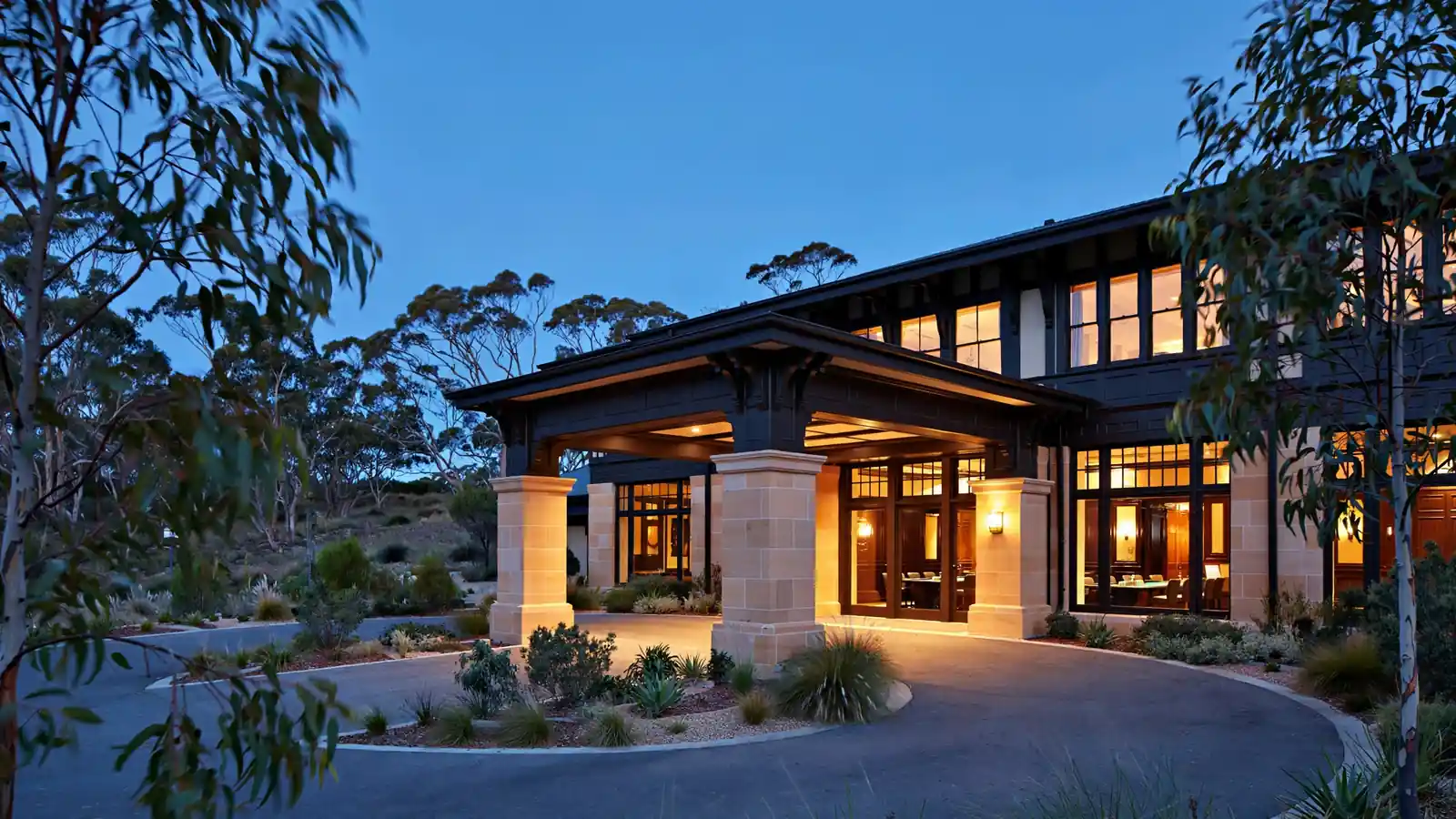
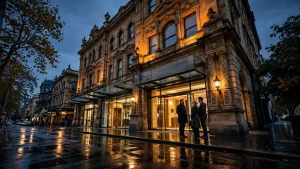
A casino hotel sounds like a single purchase: a room, with the gaming floor downstairs. In practice, the phrase can describe different arrangements. The hotel may be part of the casino property, attached to it, or simply marketed alongside it. Those distinctions affect what a booking includes, so the label alone cannot establish the relationship between accommodation and casino.
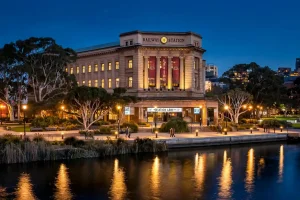
A search for a Tasmanian casino hotel may be driven by convenience rather than gaming. Staying on the same property can mean less planning around the journey between a room and an evening out. But that convenience is only real if the accommodation is actually within the casino property and the relevant facilities are available to hotel guests. A shared name or booking page is not proof of either.
The same caution applies to offers. A casino hotel deal might bundle a room with another service, reduce a room rate, or be no more than a promotional label. The words do not define the terms. Before treating a deal as a saving, its inclusions, dates, cancellation conditions and any restrictions need to be clear. A headline price without those details is not much of a bargain; it is an unfinished sentence.
Choosing an online casino while in Tasmania calls for checking the details that matter to you, such as licensing information, deposit minimums and payout methods. This list offers a concise reference point for considering operators in 2026.
Playfina Casino
Playfina Casino is listed with a Curacao eGaming licence held by Hollycorn N.V. since 2017. Its minimum deposit is A$20–30, depending on the offer.
Kingmaker
Kingmaker lists crypto payouts at around 90 minutes and fiat payouts at 1–5 days. Its minimum deposit is A$30.
Ricky Casino
Ricky Casino lists crypto payouts in under an hour and PayID payouts in 1–3 business days. The minimum deposit is A$20, or A$30 to qualify for the bonus.
LevelUp Casino
LevelUp Casino is listed with Curacao eGaming licence OGL/2023/174/0082, held by Dama N.V. Its minimum deposit is A$15.
WinSpirit Casino
WinSpirit Casino is listed with Curacao eGaming licence OGL/2024/923/0383, held by Antillephone N.V. Its minimum deposit is A$30.
JustCasino
JustCasino is listed with a Curacao Gaming Control Board licence. This licensing detail is the available basis for noting the operator.
MrPacho
MrPacho lists crypto payouts at 30–120 minutes and fiat payouts at 24–72 hours. Its minimum deposit is A$30.
Bizzo Casino
Bizzo Casino is listed with a Curacao Gaming Control Board licence, with TechSolutions Group N.V. identified as the operator.
7Bit Casino
7Bit Casino is listed as a Curacao-licensed casino operated by Dama N.V.
Roby Casino
Roby Casino is listed with a Curacao eGaming licence held by Roby Games Ltd.
Room descriptions also deserve more than a glance. The type of room, occupancy conditions, check-in arrangements and what is included in the quoted rate are the details that shape a stay. These are ordinary questions for any hotel booking, but the casino setting can make them easy to overlook: attention goes to the promise of proximity, while the actual accommodation terms sit in smaller print. The room remains the central purchase.
Hours are a separate matter. A casino’s opening hours do not automatically establish when hotel services operate, and a hotel’s check-in arrangements do not establish when a gaming floor is open. The two may belong to the same property, but they are not the same timetable. For a planned stay, current information from the venue is more useful than an assumption based on the word “hotel” or “casino” in a listing.
There is also a difference between a hotel within a casino property and accommodation merely described as near one. The first is a question about the property itself; the second is about other places to stay around it. Distance, transport and neighbourhood comparisons belong to that separate decision. Keeping the categories apart prevents a listing from being treated as an on-site room when it may be an independent hotel.
A careful comparison therefore begins with the booking particulars, not the atmosphere suggested by the phrase “casino hotel”. It should be possible to establish the property’s identity, whether the room is on the casino site, what the rate covers, and which conditions apply. If a listing leaves those points unclear, the uncertainty is part of the offer, not a detail to fill in by assumption.
“Best” is especially difficult to define without those particulars. One traveller may value being on the property; another may care more about room conditions or the terms attached to a reservation. A ranking that ignores the actual booking details can make unlike options look comparable. In a category where the name can blur hotel, casino and package into one attractive phrase, clarity matters more than a polished label.
A Tasmanian casino hotel should therefore be judged as accommodation first and a casino association second. The association may make a stay convenient, but it cannot substitute for knowing what is being booked, where it is, and what the terms say. Hotels are made of rooms and conditions, not adjectives.
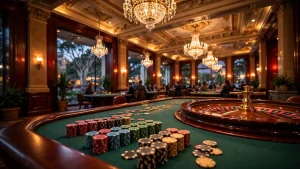
Poker, poker tournaments and a casino’s other gaming facilities are separate questions, even when they are bundled together in a single search. A poker room suggests a dedicated place for the game; a tournament suggests a scheduled event with its own entry conditions and timetable. Neither follows automatically from the existence of a casino. A venue’s name, a photograph of a gaming floor or a general entertainment listing cannot establish that poker is currently offered.
That distinction matters because “poker” can describe very different things. A live table game involves players gathered around a table; a tournament adds a format, registration process and set playing times. Electronic Gaming Machines (EGMs), by contrast, are not poker tables simply because the everyday term “poker machines” is used for them. The words overlap; the activities do not.
Attention: Electronic Gaming Machines (EGMs) are not poker tables, despite the common use of the term "poker machines."
A useful tournament notice would identify the venue, the event date, how registration works and whether the event is actually open to entrants. A recurring schedule is not a guarantee that a particular session will go ahead. Without current, venue-specific information, claims about a Tasmanian poker room or tournament would be guesswork dressed as a listing.
The same restraint applies to the gym. A gym inside a casino complex is a facility in its own right, not an automatic feature of casino accommodation or gaming. Its existence, access arrangements and hours would need confirmation from the venue. “Casino rooms” is equally ambiguous: it might mean sleeping rooms, a private space within a venue or a room set aside for poker. The phrase alone does not settle the matter. There is little value in turning that ambiguity into an imagined floor plan.
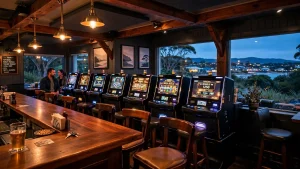
Sports-bar searches sit nearby but describe another kind of visit. A bar might be part of a casino, nearby, or unrelated to the venue altogether. Its presence cannot be inferred from a poker listing, and a casino’s general opening status does not establish that every facility within it is operating. Those details belong to a current venue notice, not to assumption.
“Open today” is especially time-sensitive. A static description cannot reliably confirm whether a venue, poker room or particular facility is open at the moment of a planned visit. Hours can differ by day and by service; an event may have a separate schedule. The practical distinction is between a venue being open and the desired activity being available. One does not prove the other.
There is also a broader difference between finding a physical poker table and looking for poker online. Australian law prohibits operators from providing real-money online casino games, including poker, to people in Australia. That legal boundary concerns online services; it should not be blurred with questions about a physical venue. Search wording often compresses both into the same few words. The law does not.
In Tasmania, a dependable account of poker rooms, tournaments or gym access needs to come from current information issued by the relevant venue. Until then, a neat list of facilities would offer certainty without evidence. Polished, but hollow.
A visit to a casino in Tasmania involves ordinary practical questions before it involves games: where a car can be left, whether bingo is on the programme, and what dining is available. Those details belong to the physical venue, not to the idea of a casino in general. Parking arrangements, including valet service or free parking, should be confirmed with the venue before setting out; the same applies to bingo sessions and dining options. A name on a map is not a promise about the day’s arrangements.
That distinction matters because practical information can sound more definite than it is. “Casino parking” might mean a nearby public car park, a facility operated by the venue, or simply a place to stop and drop off passengers. Likewise, bingo may be a scheduled activity rather than a permanent feature, and dining may depend on what is operating at the time. These are useful questions for planning a physical visit, but they cannot be settled by assuming that every casino property offers the same package.
Practical details such as parking, bingo schedules, and dining options are venue-specific and should be confirmed directly with the property.
The search for the best casino in Tasmania in 2026 therefore needs a modest definition of “best”. For someone arriving by car, parking terms may matter more than a gaming-room comparison; for another visitor, dining or a bingo session may shape the choice. Without current venue information, naming a winner would turn preference into fact. The sensible comparison is between confirmed details of a particular visit, not an imagined bundle of facilities.
Online casino play is a separate matter. The Interactive Gambling Act 2001 makes it unlawful for an Australian-run online casino to provide real-money casino games to people in Australia. That includes the familiar forms of online casino gaming, rather than only a particular game or platform. A website’s appearance does not alter the legal position of the service.
Offshore platforms sit in a different and less settled position for the player: using one is technically not illegal for an Australian player, but the platform is not regulated under Australian law. That leaves a practical gap between access and protection. A player using an offshore service does not gain Australian oversight simply because the site accepts Australian visitors; resolving a dispute or recovering funds may be more difficult.
Some offshore sites restrict access by location. A VPN can make an internet connection appear to come from somewhere else, but using one to reach region-blocked games is against the site’s terms and may lead to account suspension. It is not a reliable shortcut around a restriction. The screen may change; the terms do not.
For an in-person visit, the questions remain concrete: parking conditions, bingo arrangements and dining availability. For online play, the central question is legal and regulatory, not whether a site resembles a local venue. The two experiences share a label, but not the same safeguards—or the same rules.
Accommodation near a Tasmanian casino is a different question from staying inside a casino hotel. The distinction matters: a nearby room is an independent booking, while a property package may tie its terms to the venue. The word “near” can conceal more than it explains. It might mean a short walk, a drive, or simply a place marketed in the same area.
The casino’s exact location should therefore be the starting point for comparing nearby stays. A property name or a broad area label cannot establish how practical the journey will be. Routes, transport arrangements and the time of arrival all shape what proximity means; a map pin alone does not. Without a confirmed venue address and property details, naming accommodation or describing it as close would create an appearance of precision without the substance.
That restraint applies equally to deals. A phrase such as “casino accommodation offer” may refer to a room sold by the venue, a promotion from a separate hotel, or a booking site’s own rate. Those are not interchangeable arrangements. The conditions, availability and cancellation terms belong to the particular provider, not to the casino as a general category. A headline offer is not a promise that a room will be available for a chosen date.
The same care is needed around the phrase “casino location”. It can point to the venue itself, the surrounding district, or a transport destination. For an overnight stay, the useful comparison is not simply whether a property shares a neighbourhood with a casino, but how its actual position fits the rest of the trip. A room close to one point may be less convenient for other plans. Geography is not a guarantee.
Parking brings another practical distinction. Parking at a casino, parking at nearby accommodation, and parking between the two are separate arrangements. A listing that mentions parking does not, by itself, establish where spaces are, whether they are reserved for guests, or whether access is subject to conditions. Those details need to come from the relevant property or venue rather than from the general label “nearby”.
The search for accommodation can also become tangled with casino promotions. A gaming promotion is not necessarily a room offer, and a room discount does not establish anything about access to gaming facilities. Keeping the two apart makes comparisons clearer: the stay is one purchase, the venue’s services another. Dry, but useful.
For anyone assembling a short list, the dependable details are the ones attached to a specific property and date: its address, the route to the casino, the booking conditions, and what the quoted rate includes. Broad claims about Tasmania casino accommodation cannot substitute for those particulars. Until the venue and the property are identified, “near” remains a description, not a measurement; “deal” remains a label, not a term.
A search for a Tasmanian casino’s contact number is practical in a way that a search for its reputation is not. It is meant to settle a small, immediate question: whether a particular venue can be reached, and whether the information being used belongs to that venue. Contact details copied across directories can lose their context. A number or map pin is useful only when it can be matched to an official venue listing.
That matters for plans involving a bar, a concert or a game. A listing that uses the word “bar” does not establish what is served, when it is open or whether it is part of the casino itself. Likewise, a concert mention may refer to a past event, not an upcoming one. Dates and venue details need to be checked against the source responsible for the event. Old listings have a long afterlife.
The same distinction applies to baccarat and craps. Those are names of casino games, not confirmation that either is available at a particular Tasmanian venue. Availability, table arrangements and rules are venue-specific details; a general page about casino games cannot settle them. Baccarat’s presence in a search phrase is not a booking confirmation. Nor is a game name evidence of a current table.
A map can answer a different question from a contact page. It may show a location, but it does not establish which entrance serves a particular purpose, whether a route is accessible, or where a car park is. For someone checking car-park access, the useful information is the venue’s own current guidance, not a pin that merely marks the surrounding area. The distinction is modest, but it saves a journey built on an assumption.
The phrase “casino in Tasmania” also leaves room for confusion: a result may refer to a venue, an event, a game, or an online service. These are not interchangeable. Under the Interactive Gambling Act 2001, operators cannot provide real-money online casino games to people physically located in Australia. A venue’s contact page, by contrast, concerns an on-site business. The law draws a sharp line between the two, even when a search result blurs them together.
Legal Restriction
Under the Interactive Gambling Act 2001, it is unlawful for operators to provide real-money online casino games to people located in Australia.
That line matters especially when a page promises access to online baccarat or other casino games. Offshore platforms are not regulated under Australian law, and a foreign licence does not make an online casino an Australian-licensed service. A VPN used to reach region-blocked games may breach the site’s terms and lead to account suspension. It is a poor substitute for a reliable phone number.
For event plans, the useful check is simple in principle: confirm the event, date and venue directly with the organiser or venue before relying on a third-party listing. For calls, use contact details presented by the venue itself. For directions, compare the map with the venue’s own location information. None of those checks can manufacture details that have not been published. They can, however, keep a bar, a baccarat table, a concert and a car park from becoming one undifferentiated promise.
Breakfast and buffet searches often collapse several different expectations into one phrase: a morning meal, a full buffet, or a casino stay with food attached. Those are not interchangeable. A breakfast service can be limited to particular days or hours; a buffet may be a separate offering altogether. Without current venue-published details, neither should be assumed from the word “casino” or from a broad resort label.
The same caution applies to searches for a Tasmanian casino resort. “Resort” can suggest a whole package of accommodation, meals, leisure facilities and guest services, but the label alone confirms none of them. It is a description people use, not an inventory. A breakfast listing may belong to a hotel nearby rather than to a casino property, while a buffet reference may describe an occasional service rather than a standing option. The distinction matters most when a trip is planned around a particular meal.
A practical check starts with the venue’s own current information, where available: whether breakfast is served, whether it is buffet-style, which days and hours apply, and whether dining is open to non-residents. A dated review or an old booking page can preserve a once-accurate detail long after arrangements change. If the information is unclear, a direct enquiry is more reliable than treating a general search result as confirmation. No grand mystery; just hospitality.
Rewards searches raise a different question. The word can refer to a membership scheme, promotional offers or benefits tied to a stay, and it does not establish that any particular programme exists. Nor does it reveal eligibility, exclusions or current terms. A name appearing in an old discussion is not a dependable guide to what is available now. Any benefit should be checked against the operator’s own published conditions before it is included in the cost of a visit.
Job searches are similarly time-sensitive. A search for casino work in Tasmania might mean a role at a gaming venue, a hotel, a food service operation or another part of hospitality. The wording does not show that a vacancy is open, or that a particular employer is recruiting. Current openings, role descriptions and application requirements belong on the relevant employer’s official careers page. Third-party listings can be useful leads, but an expired advertisement is still an expired advertisement.
The work behind a casino resort is broader than the gaming floor: hospitality businesses depend on people in service, operations and administration. That general observation is not evidence of a vacancy at any Tasmanian property. Applicants need a live listing and clear details about the employer, duties and location before treating an opportunity as real.
Breakfast, buffet, rewards and employment information all change on different schedules. A menu can be revised, a programme’s terms can shift, and a vacancy can close while an old listing remains online. The safest distinction is between a broad label and a current, specific offer. For a planned meal, that means confirming the service; for a job, confirming the listing; for a claimed reward, reading its terms. Search wording can gather these subjects together. It cannot make them one promise.
Whether a Tasmanian casino is open is a question about a particular date, not a permanent feature of the building. A venue can change its operating arrangements, pause activity or announce a reopening, and an old listing may remain visible long after circumstances have shifted. The useful distinction is between a dated statement from the operator or a relevant public authority and a directory entry that merely repeats an earlier description.
The same care applies to claims about casino development in Tasmania. “Development” might mean a proposed project, a planning process, construction, or a change to an existing operation; those are not interchangeable stages. A proposal is not an opening, and a headline about future plans does not establish that work has begun. For a review of the casino’s present status, the date and nature of the underlying announcement matter more than confident phrasing.
Reopening language needs particular attention. It may refer to a confirmed return after a temporary closure, a plan that remains conditional, or speculation repeated without a fresh announcement. These meanings can blur in brief summaries. A responsible account separates what has been formally announced from what is proposed, and treats the word “reopen” as a claim requiring a date and an attributable statement, not as proof that doors are operating now.
Entertainment is similarly easy to overstate. A casino may be associated in public imagination with performances and special events, but that association does not establish a current programme. An event listing needs its own date and venue confirmation; a past performance, promotional image or general description cannot stand in for a present schedule. No spectacle can substitute for a calendar.
Employment follows the same principle. A casino’s existence does not, by itself, establish that it is recruiting, what roles are available, or whether a position belongs to the venue or another business. Vacancies are time-sensitive, while broad statements about jobs can make an old opportunity sound current. The distinction is modest but consequential: employment information should be tied to an active notice rather than inferred from the scale or reputation of a property.
Menu searches can also drift into assumptions about operations. A menu found in an old review may describe a former offering, while a photograph may have no date at all. The menu itself is not evidence that a venue or service is currently open. Restaurant details belong to a separate question; here, they matter only as another example of why dated information should be separated from general impressions.
The most useful account of a Tasmanian casino’s status is therefore restrained: it identifies what has been announced, when it was announced, and whether it concerns current operations, a proposed change, employment or an event. Without those distinctions, “open,” “reopening” and “development” become labels rather than information. Dry words, but necessary ones.
A restaurant inside a casino and a restaurant near one answer different questions. The first is part of the venue; the second is simply close enough to be considered alongside a visit. That distinction matters in Tasmania, where a broad search for casino restaurants can otherwise blur the property, its surroundings and the wider dining scene into one imagined offering.
A name should not be treated as proof of a restaurant’s existence, and a casino’s name alone cannot establish what is served there. Menus, opening times, booking arrangements and even whether a venue operates as a restaurant are details that need current confirmation from the property itself. Without that, a confident list would be less a guide than a decoration.
There is a social history folded into the question. Casinos have often presented dining as part of a longer visit: a meal may sit beside entertainment, accommodation or gaming in the visitor’s mental map. Yet that familiar model does not establish what any particular Tasmanian venue provides. A building’s category is not its menu.
The practical distinction is worth keeping. A restaurant within a casino may have its own entrance, hours, booking process and service conditions; a nearby restaurant is an independent choice, even if it appears on the same itinerary. Before setting plans around either, confirm the exact location and whether the venue is operating. Current official venue information is more useful than a directory entry that may describe an earlier arrangement.
Menu detail deserves the same care. A restaurant listing may not tell the whole story about service times, dietary options, accessibility or whether reservations are accepted. Those specifics should be checked directly rather than inferred from a general label such as “dining”. A polished description can make an absent detail sound settled. It is not.
For anyone comparing restaurants associated with a Tasmanian casino, the sensible starting point is therefore not an assumed shortlist but a verified venue listing. Confirm whether the restaurant is on the casino property or nearby, then check its current menu and operating details before travelling. If the information is unclear, treat that uncertainty as a reason to confirm—not as evidence that a particular service is available.
This may sound less glamorous than a ranked guide. It is also more useful than inventing restaurant names or menus to fill one. Casino dining is a specific promise: a place, a service and food available under stated conditions. Until those particulars are confirmed, the most accurate description is simply that the restaurant question remains separate from the casino’s name.
A casino’s address looks like a small detail until a trip depends on it. Tasmania has more than one place that may be described casually as a casino, so the name alone is not a reliable destination. An address should be matched to the specific venue, then checked against its own current listing before travel. Maps and directory entries can preserve old labels long after a business changes; a familiar pin is not proof that the doors, services or identity remain the same.
The same caution applies to questions about a day spa. A search for a casino spa can describe a hope, not a confirmed facility. Spa services belong to the property that provides them, and a casino’s name does not establish that it has treatment rooms, a day-spa menu or access for non-guests. Those details need to come from the venue’s current information. The distinction matters: a hotel, casino and leisure facility may sit under one brand in public imagination, while their actual services are separate.
Dress codes are similarly local. There is no useful universal rule to infer from the word “casino”: clothing expectations may differ by venue and by area within it. A general assumption can turn an ordinary evening into an unnecessary negotiation at the entrance. Current venue guidance is the sensible reference, particularly for any specific bar or gaming area. Dryly put, reputation is not a dress policy.
Career interest calls for a different kind of address: the employer’s own recruitment channel. Casino work can span hospitality, gaming, administration and property operations, but the title of a venue alone says nothing about current vacancies or entry requirements. A listing on an unrelated job page may be stale; an application route linked to the operator is more useful for confirming whether a role is live and where it is based.
Questions about games also need their setting made clear. Physical casino gaming and online casino play are not interchangeable. Under the Interactive Gambling Act 2001, operators may not provide real-money online casino games such as pokies, blackjack, roulette or poker to people in Australia. A venue’s land-based identity does not make an online service lawful. The law draws that line; branding does not.
So the practical details—where a particular property is, what services it actually offers, what clothing it expects and whether it is hiring—are best treated as venue-specific facts, not features to infer from a casino label. Spa, address, dress and careers may appear side by side in a visitor’s plans. They still require separate answers.
Food searches attached to a Tasmanian casino can mean several different things: a quick meal, a dining room, or simply somewhere to eat during a visit. Those are not interchangeable. A food court suggests a shared area with multiple counters; the phrase alone does not establish that one exists at a particular venue. Nor does a general reference to casino food tell anything reliable about menus, service times or whether meals are available on a given day.
The distinction matters because hospitality language can make a building sound more complete than its confirmed facilities warrant. “Food court” is a format, not a synonym for any place to eat. A restaurant is a separate kind of offer, and belongs to a different question. A search for food at a Tasmanian casino is best understood as a request for practical venue information, not evidence of a particular arrangement.
Pool searches are similarly ambiguous. In ordinary venue language, a casino pool may mean a swimming pool; in gambling language, “pool” can refer to a shared prize or jackpot. The surrounding words determine which meaning is intended. A swimming facility should not be inferred from the casino setting, just as a jackpot pool says nothing about recreation on site.
That ambiguity is more than a nuisance of wording. Casinos gather unlike activities under one name, and promotional shorthand can blur the boundary between confirmed facilities and the atmosphere a visitor imagines. Clear information separates what is actually available from what a label merely suggests. Dry distinction, useful distinction.
For anyone comparing Tasmanian venues, the relevant question is not whether a listing sounds resort-like, but whether it states the specific facility and its current availability. Food counters, dining rooms and swimming pools each require their own confirmation; one cannot be read into another. A casino is not, by definition, a food court or a leisure club. The name does not settle the matter.
Yes. Under the Interactive Gambling Act, operators based in Australia cannot offer online casino games such as pokies, blackjack and roulette to players in Australia. Offshore platforms are not regulated under Australian law, though it is technically not illegal for Australian players to use them.
Australian players can technically use real-money pokies on platforms licensed in reputable offshore gambling jurisdictions, but those platforms are not regulated under Australian law. In NSW, the legal age to play poker machines is 18, and mandatory pre-commitment systems require players to set a loss limit before playing.
You must be 18 or older to gamble on poker machines in NSW.
Every online pokie uses a Random Number Generator, and each spin is independent. Some games offer progressive jackpots or paid entry to a bonus round; free-spin winnings commonly have wagering requirements before withdrawal.